Origins
Flavour begins at the source.
From Japan to your kitchen: the journey our ingredients make, from raw material to UMAMI.
The journey
- 01
Japan
Where these flavours were born.
- 02
Producers
Families and artisans, chosen one by one.
- 03
Raw materials
Soybeans, rice, koji, sesame, seaweed.
- 04
Fermentation
The time that gives flavour its depth.
- 05
Italy
The kitchen where our sauces are made.
- 06
UMAMI
A Japanese pantry for the way we cook today.
What we look for
We look for the people who know how.
We don’t simply look for Japanese ingredients: we look for the people who know how to make them. Families, artisans, slow fermentation, raw materials chosen at the source.
The Japan we choose
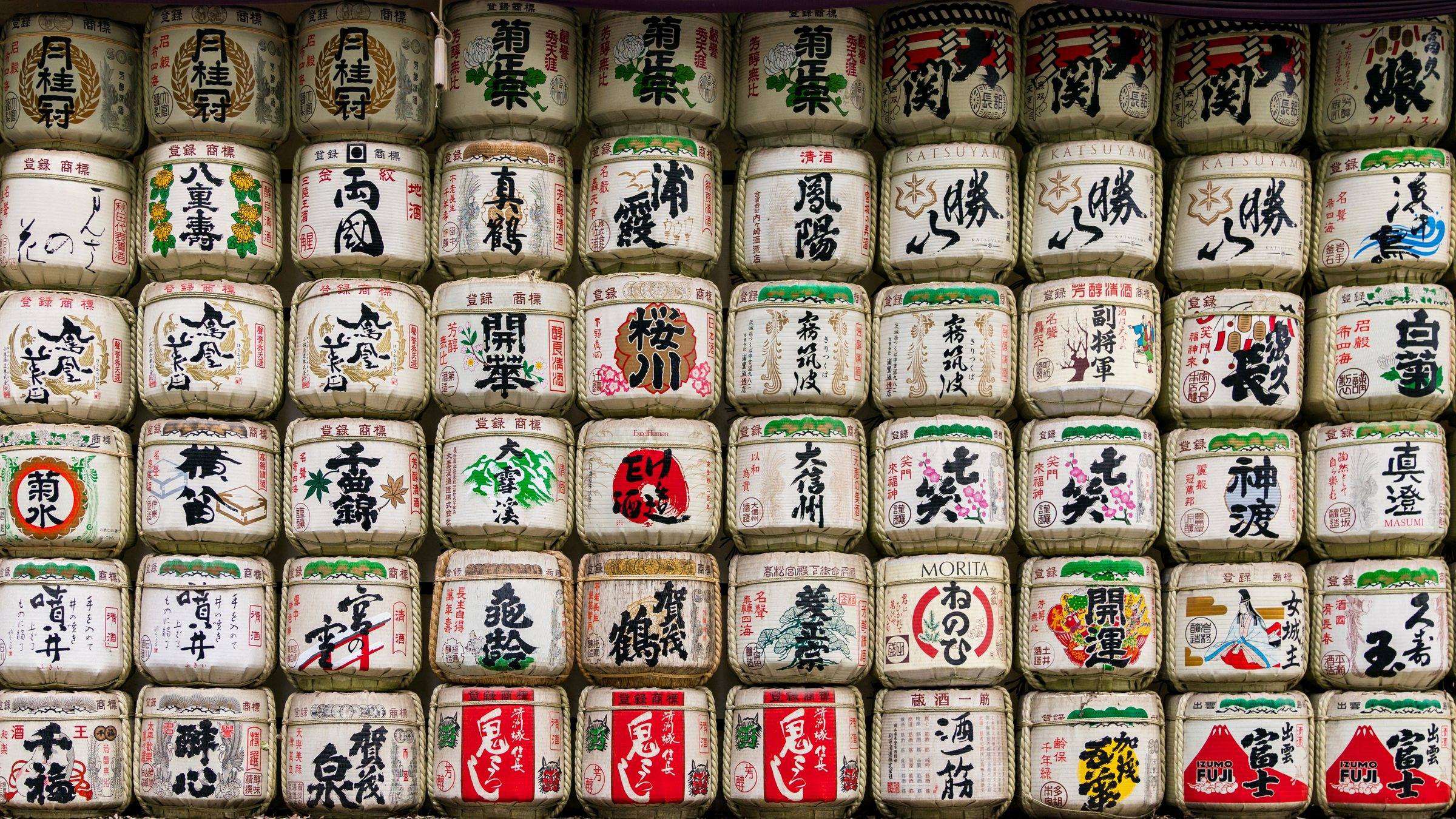
Some flavours arrive just as they were made.
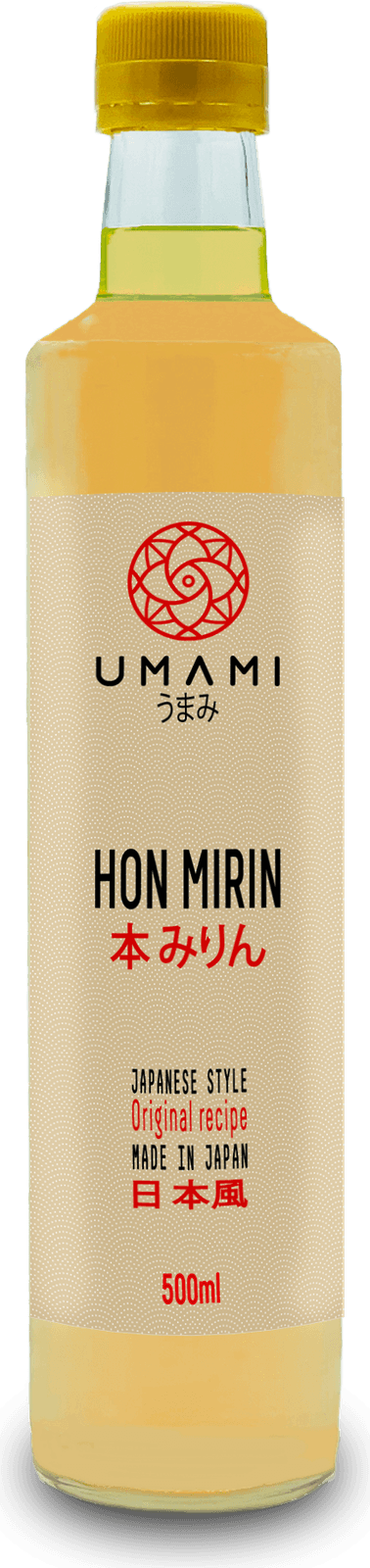
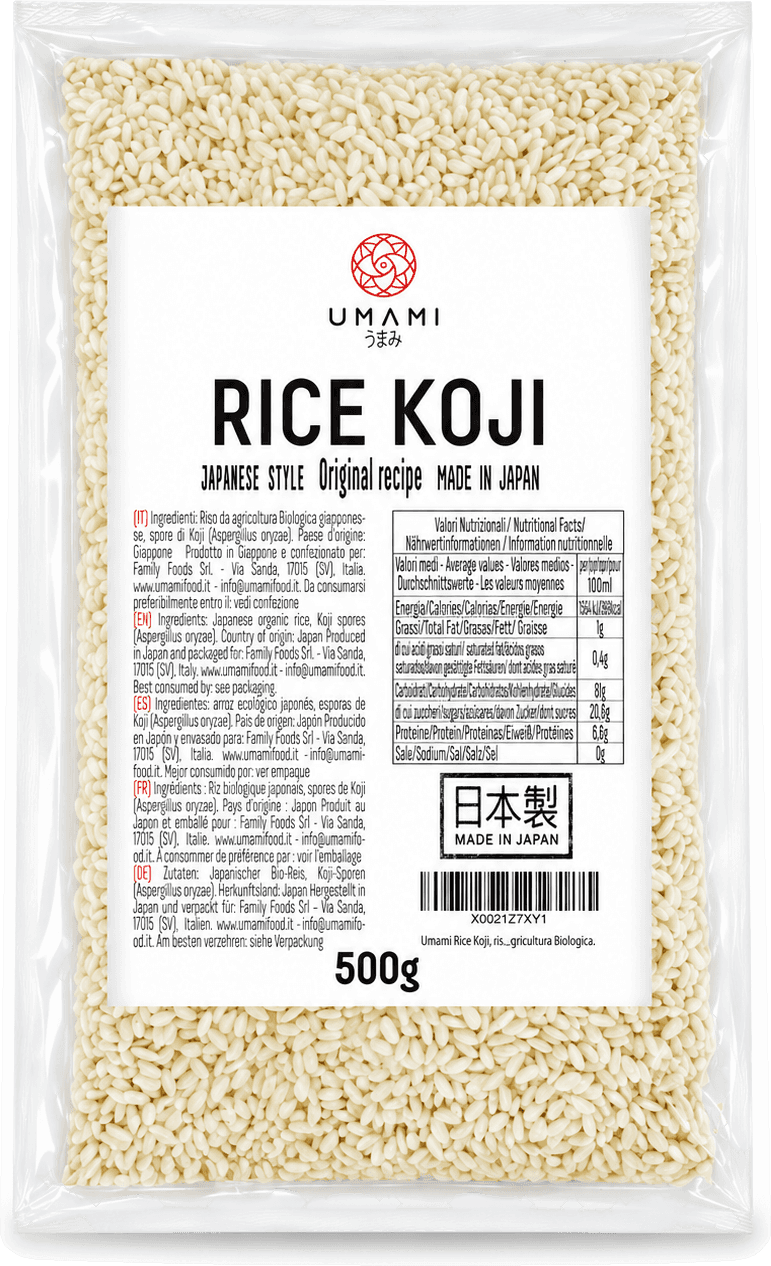
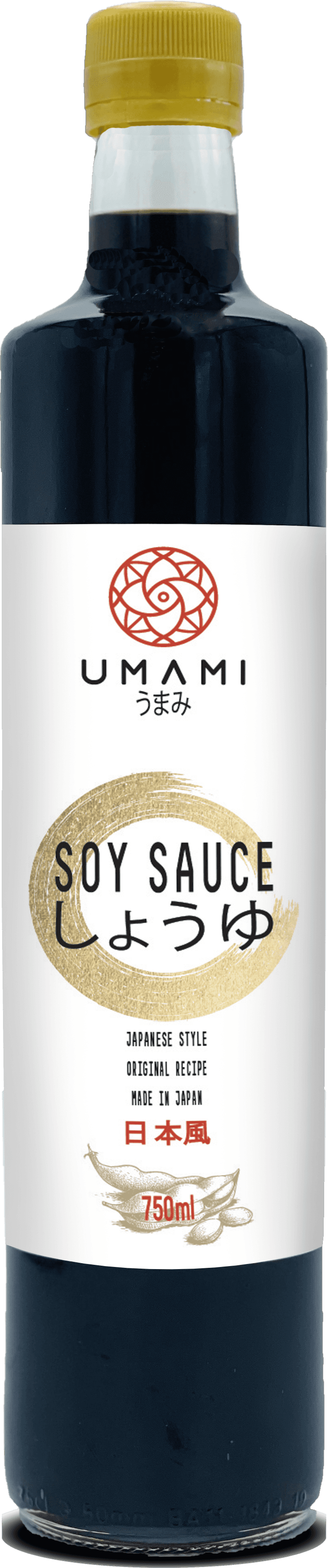
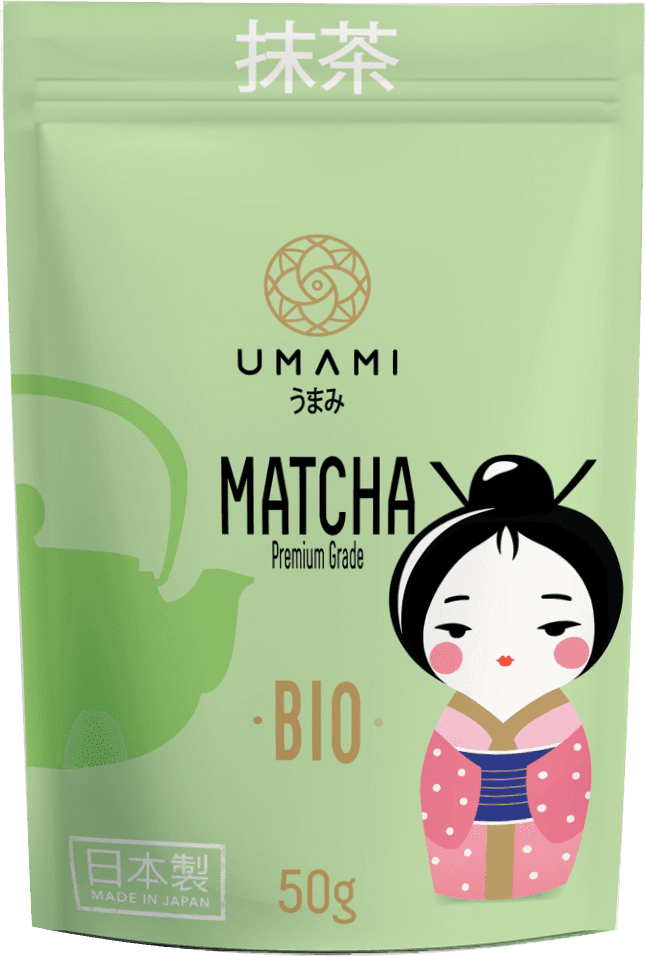
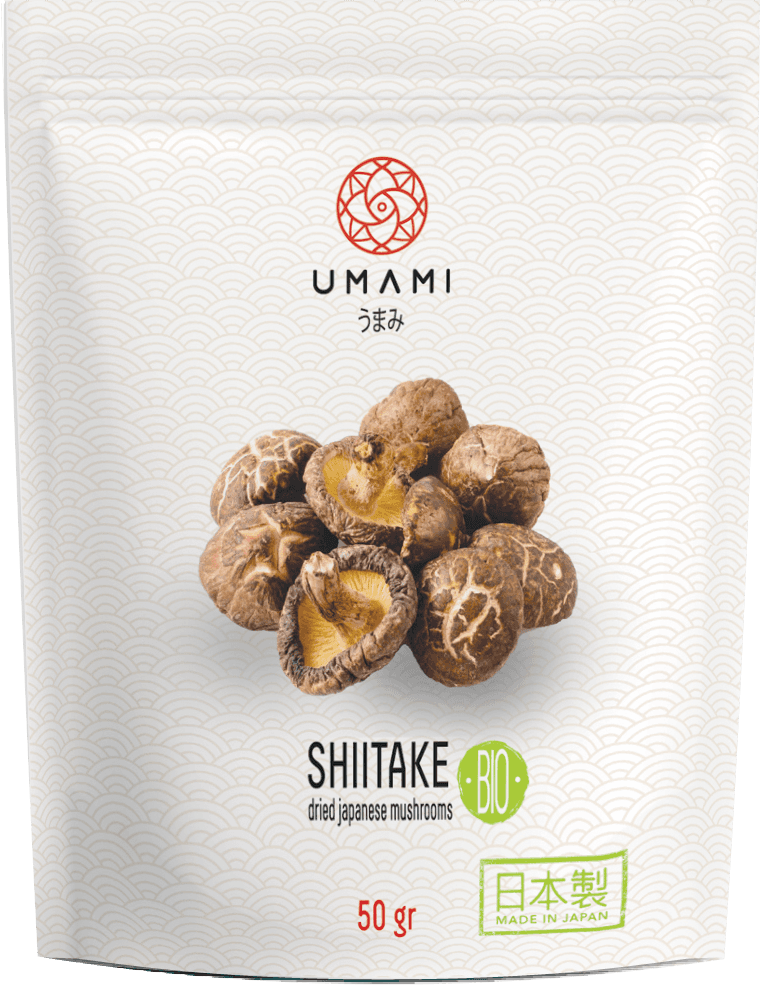
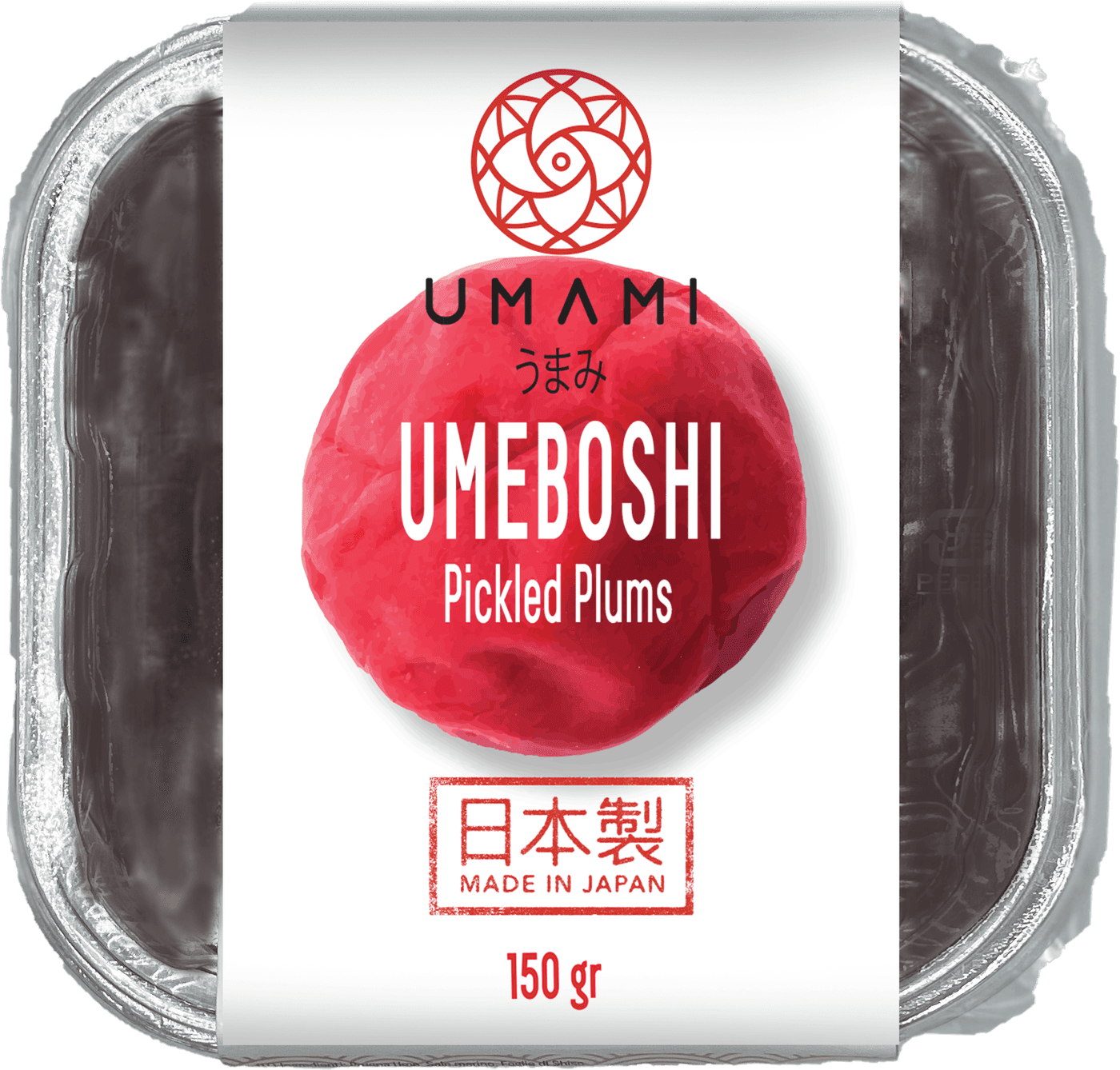
These products are made in Japan and reach Italy just as they were made: on the label, “Made in Japan”.
Ingredients
Knowing the ingredients means understanding flavour.
Ten words from Japanese cooking, to understand what goes into a dish.
All ingredients- 麹 Koji Rice or grains inoculated with Aspergillus oryzae. The engine behind soy sauce, miso, mirin and sake.
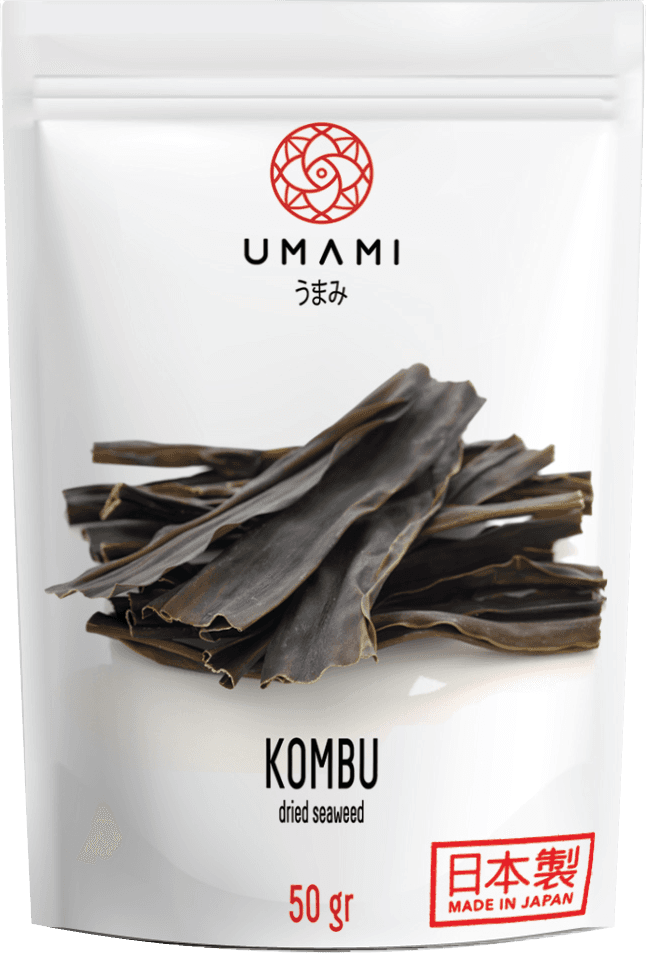
- 昆布 Kombu Dried brown kelp, naturally rich in glutamate. With katsuobushi, the foundation of dashi.
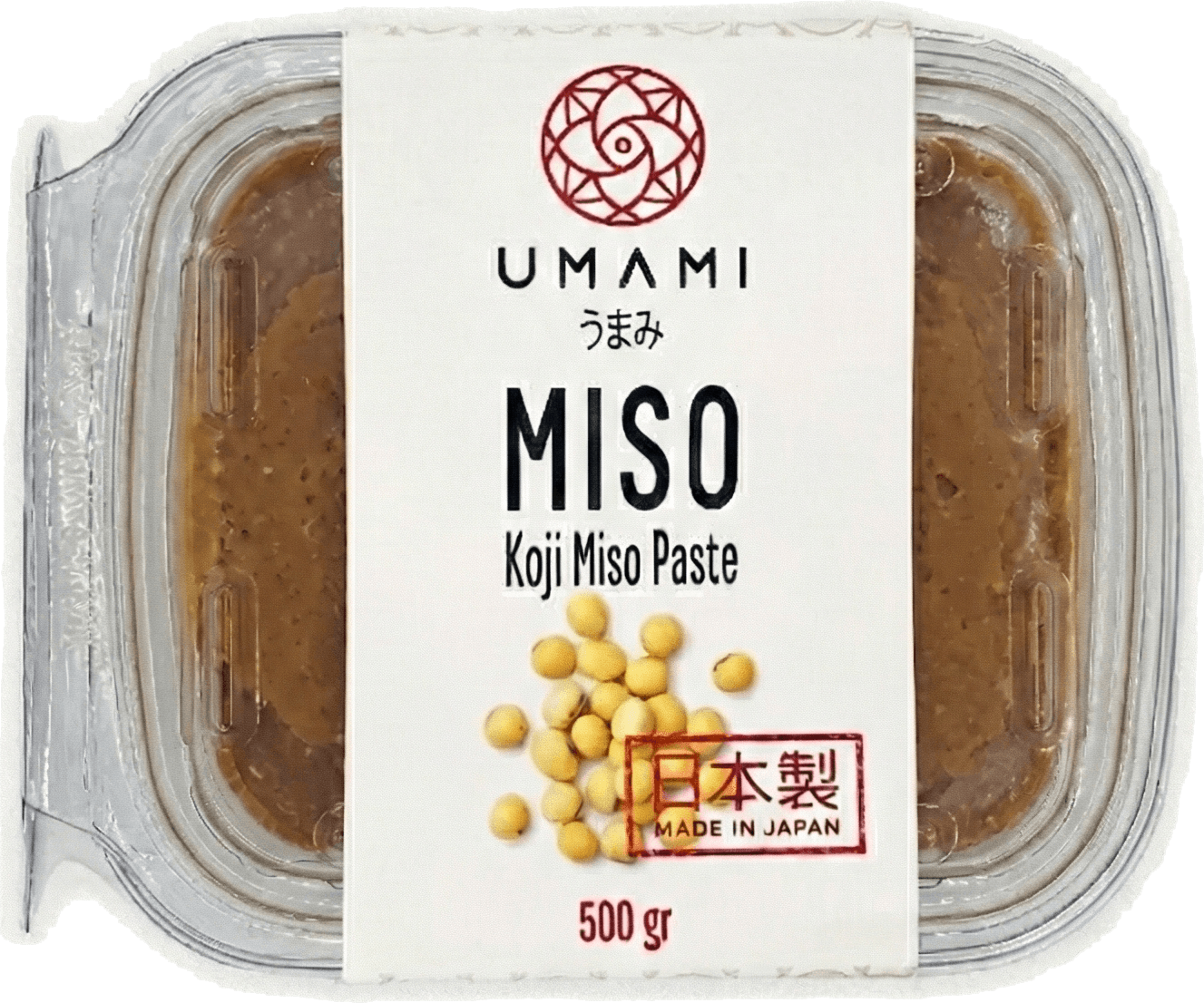
- 味噌 Miso Soybean paste fermented with koji and salt. The longer it matures, the deeper its colour and flavour.
- 胡麻 Sesame Toasted, ground or pressed into oil, sesame gives Japanese cooking its warm, nutty aroma.
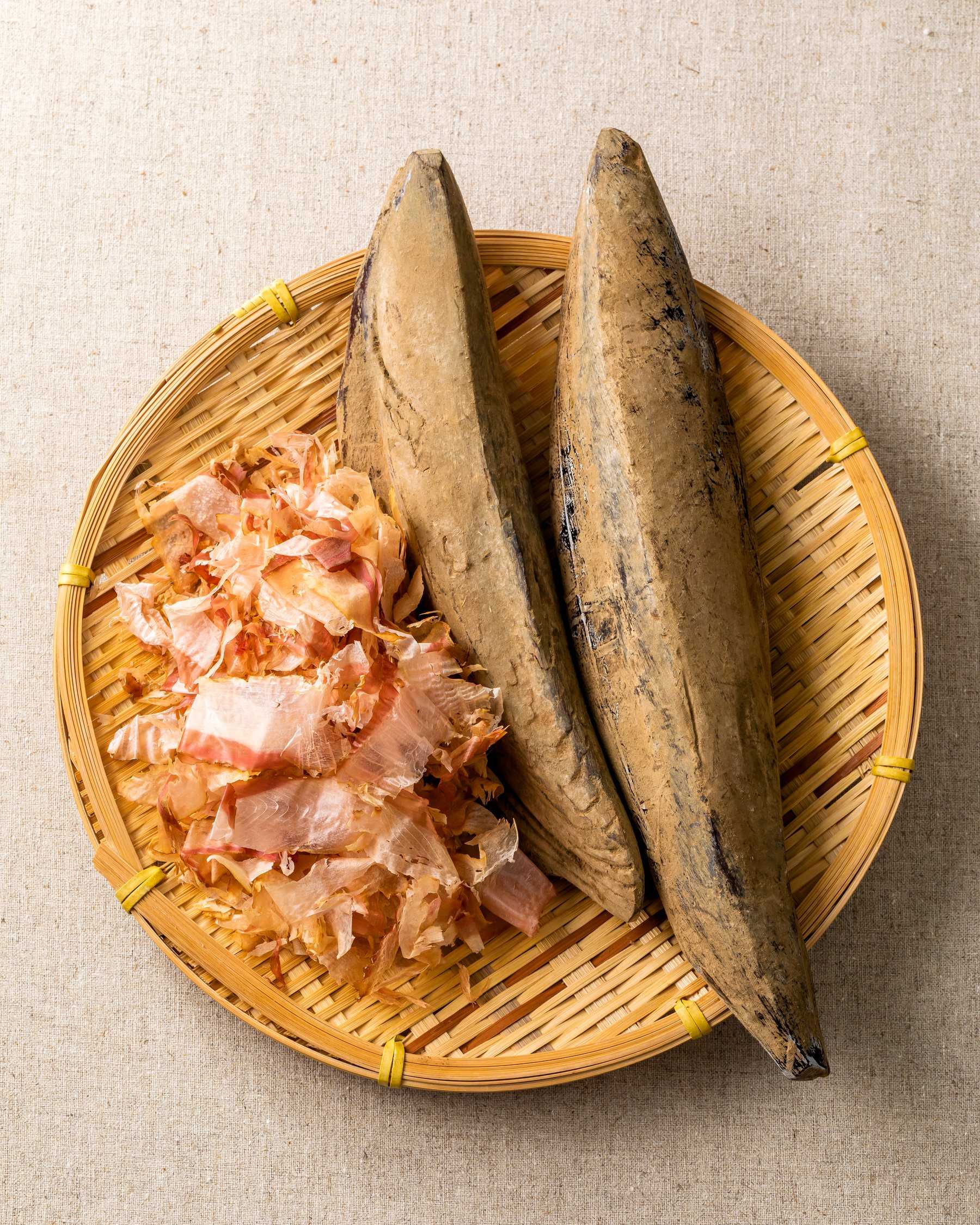
- 鰹節 Katsuobushi Skipjack tuna simmered, smoked and dried, then shaved paper-thin. It gives dashi its smoky depth.
- たまり Tamari A soy sauce from the Aichi tradition, made mostly from soybeans: thicker and rounder than everyday shoyu.
- 醤油 Soy sauce Soybeans, wheat, salt and koji, left to ferment: the fundamental seasoning of Japanese cooking.
- みりん Mirin A sweet seasoning made from glutinous rice and koji. It brings shine and roundness to glazes, stocks and sauces.
- わかめ Wakame A tender seaweed with a delicate taste of the sea: it rehydrates in minutes and is at home in miso soup.
- 海苔 Nori Seaweed pressed into thin sheets and toasted: it wraps sushi and onigiri and, crumbled, scents rice and soups.
Fermentation
Time is an ingredient.
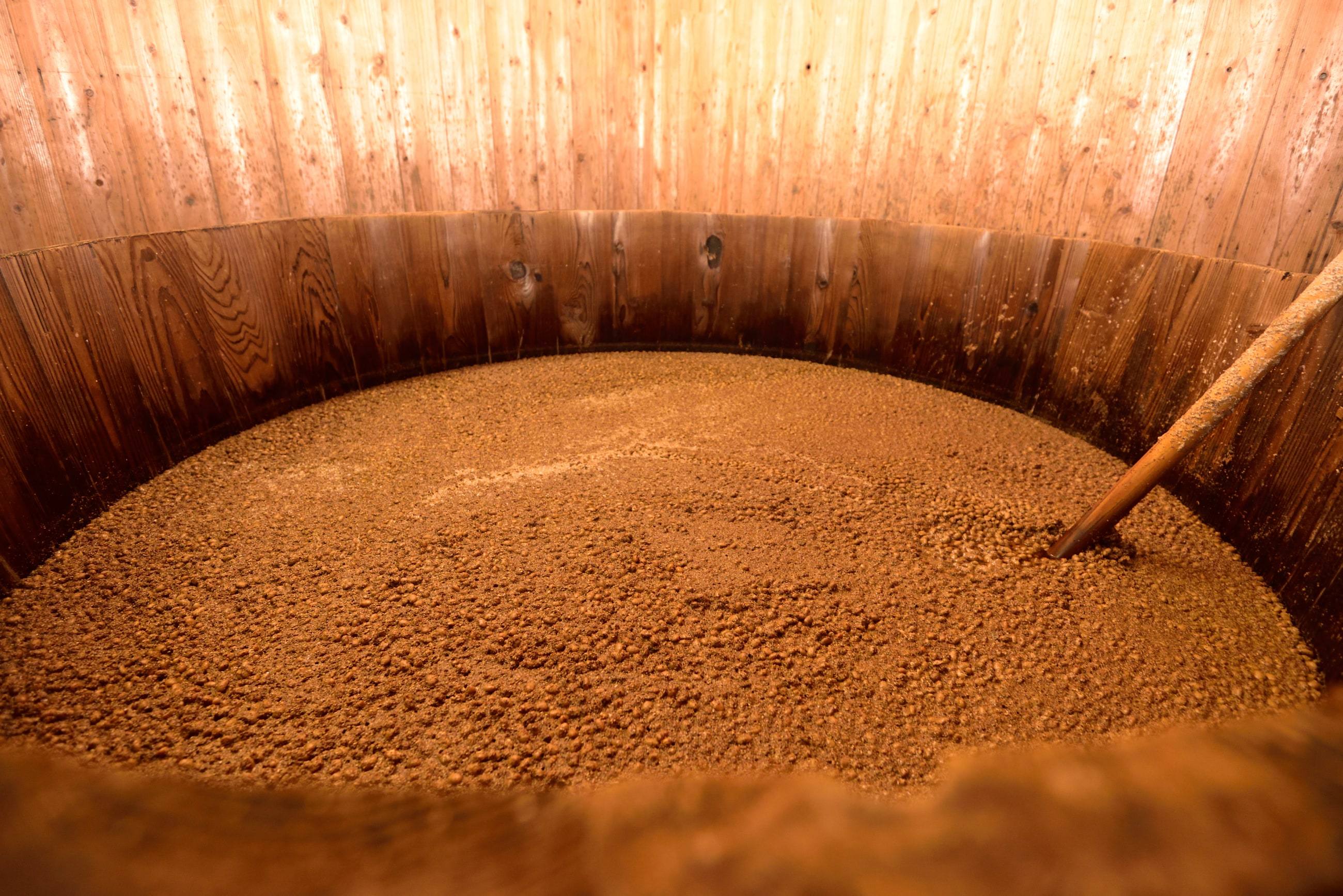
Soybeans, wheat, salt and koji. Then time, which turns a handful of raw materials into depth of flavour: the patient work of the producers we have chosen.




Our kitchen
Japanese recipes, made in Italy.
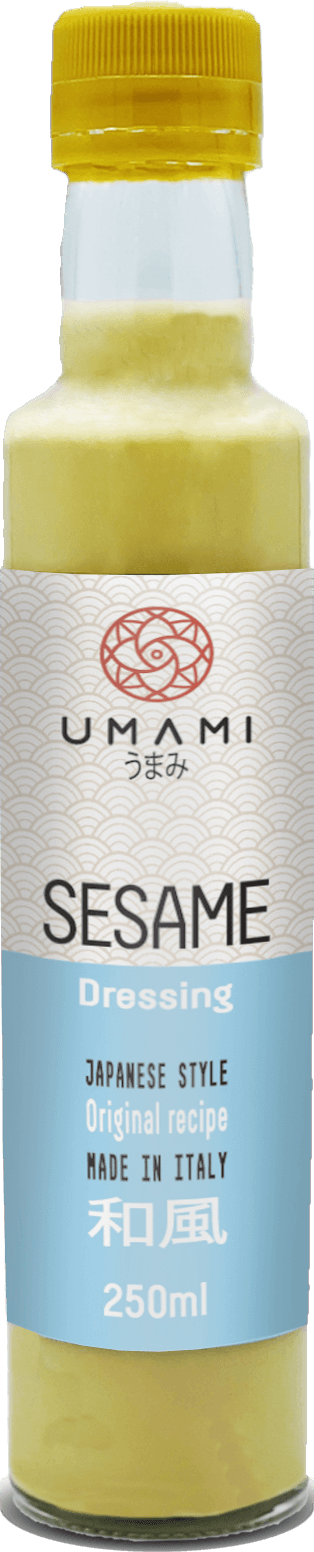
UMAMI sauces are made in our own production kitchen in Italy, from Japanese-style recipes: “Japanese style, original recipe, made in Italy”.
Made in Italy
Quality and certifications
What we claim is written on the label.
On this site you will only find information checked against the current packaging. For ingredients, allergens and nutritional values, the label on the product in your hands takes precedence.
Organic, with certification on the label
- Organic Ponzu
- Organic Kioke Tamari
- Organic Mugi Miso
- Organic shiitake
- Organic wakame
- Organic Matcha Premium
- Organic Matcha Culinary
- Organic Sencha
- Organic Genmaicha
- Yuzu Furikake
- Ume Furikake
- Tamago Furikake
- Organic toasted white sesame
- Organic toasted black sesame
- Organic Brown Rice Sushisu
- Organic brown rice vinegar
- Organic Kuzu